


Causes, Symptoms, and Treatment Explained by a Psychiatrist

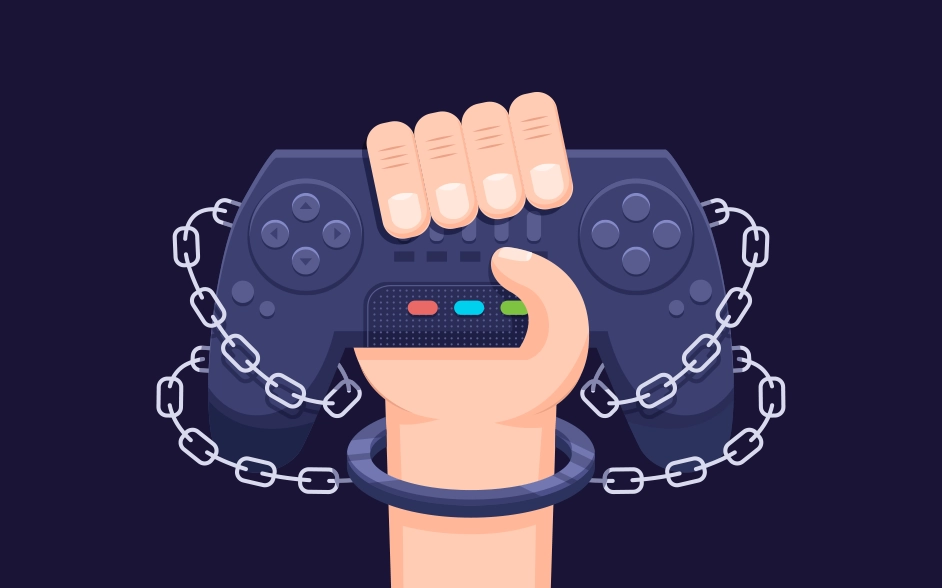
Do you find yourself—or your child—unable to stop playing games or using a smartphone, even when it is clearly causing problems?
Gaming disorder and smartphone addiction are becoming increasingly common among both children and adults. What may look like “overuse” is sometimes a sign of a deeper issue involving anxiety, depression, sleep problems, or stress.
These conditions are not simply a matter of weak willpower. In many cases, they reflect how the brain responds to repeated digital stimulation combined with underlying psychological vulnerability.
In this article, we explain what gaming disorder and smartphone addiction are, common symptoms and warning signs, underlying causes, treatment options, and when to seek professional help, from a psychiatrist’s perspective.
What Are Gaming Disorder and Smartphone Addiction?
Spending long hours on games or smartphones does not automatically mean addiction.
From a medical standpoint, a problem is suspected when use becomes uncontrollable and continues despite clear negative effects on daily life and mental health.
Common Warning Signs
- Inability to stop or reduce usage despite wanting to
- Loss of control over time spent gaming or on the phone
- Negative impact on school, work, or family life
- Strong irritability, anxiety, or restlessness when unable to use devices
- Persistent sleep deprivation, low mood, or poor concentration
Games and social media are designed to provide rapid rewards, achievement, and social validation, which can strongly stimulate the brain and reinforce compulsive use.
Warning Signs in Children and Adolescents
Parents often seek consultation for concerns such as:
- Sudden decline in academic performance
- Difficulty waking up and attending school
- Staying up late playing games or watching videos
- Reduced communication with family members
- Intense emotional reactions when devices are restricted
During adolescence, the brain is still developing, particularly areas responsible for impulse control.
This means problematic use is not a character flaw, but often the result of brain development interacting with environmental stressors.
Smartphone Addiction in Adults
Among adults, smartphone addiction often appears in subtler ways:
- Checking social media or videos until late at night
- Constantly feeling distracted by notifications
- Reduced work efficiency and concentration
- Anxiety or discomfort when not using the phone
- Feeling more exhausted rather than refreshed after “scrolling”
Underlying factors may include work stress, interpersonal difficulties, loneliness, anxiety, or depressive symptoms.
Underlying Causes and Psychological Background
Gaming disorder and smartphone addiction are often symptoms rather than root causes.
Common contributing factors include:
- Anxiety disorders, depression, or chronic insomnia
- Neurodevelopmental traits such as ADHD
- Academic or workplace stress
- Family conflict or lack of emotional support
- Low self-esteem or difficulty coping with emotions
Simply banning devices without addressing these factors may worsen emotional distress.
Treatment and Management
1️⃣ Comprehensive Assessment
We evaluate not only screen time, but also daily functioning, emotional state, sleep, and stress levels.
2️⃣ Addressing Underlying Mental Health Issues
Treatment may include:
- Psychological counseling
- Cognitive behavioral therapy (CBT)
- Medication, when clinically indicated
3️⃣ Practical and Realistic Usage Rules
Rather than total prohibition, we work together to set:
- Reasonable time limits
- Clear boundaries for when and where devices are used
4️⃣ Family and Environmental Support
A non-judgmental, calm approach—focusing on shared concerns rather than blame—is essential for recovery.
When to Seek Professional Help
Please consider consulting a mental health professional if:
- Daily life, school, or work is being affected
- Attempts to limit use lead to severe conflict or distress
- Anxiety, depression, or sleep problems persist
- You are unsure whether the behavior qualifies as addiction
Early consultation can significantly improve outcomes.
Final Thoughts
Games and smartphones themselves are not the enemy.
The real issue lies in how they are used and what emotional needs they are compensating for.
If stopping feels impossible, there is always a reason—and help is available.
You do not have to face this alone.


 03-6809-4515
 4th floor OTM, 2-3-8 Azabujuban, Minato-ku, Tokyo 106-0045